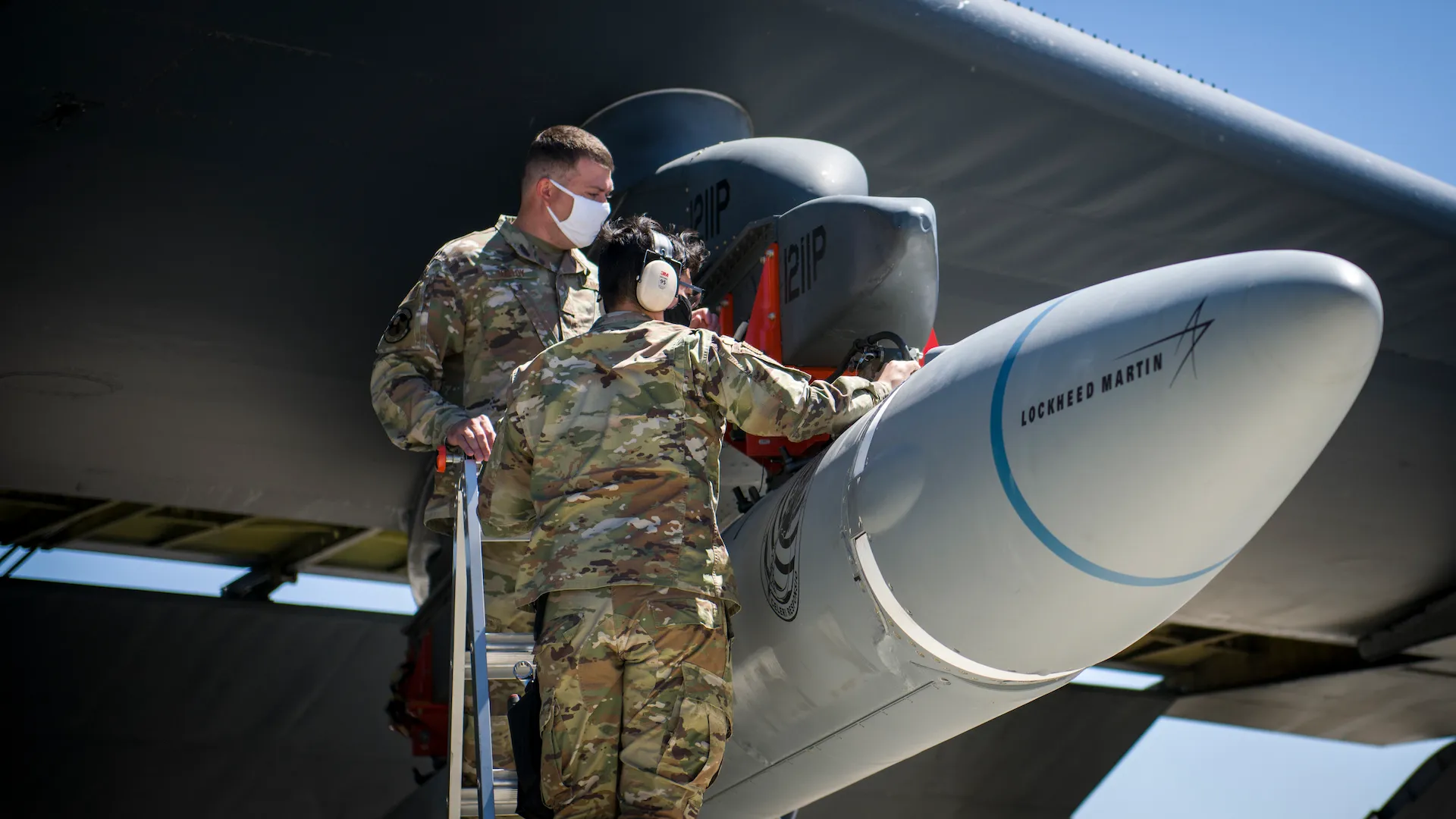
The U.S. Air Force just changed its mind on hypersonic weapons. Three years ago, they canceled the AGM-183A ARRW program. Too many test failures. Too much money. Now? They want a new version.
A ship-killer. I have been following this program since 2021. The back-and-forth is wild. But this time feels different. The Hypersonic Missile Defense community is taking notes. Because a missile that can hit moving ships changes the game. Here is what just happened.
The AGM-183 ARRW Speed and Specs: What Makes It Scary?
Let me give you the numbers first.
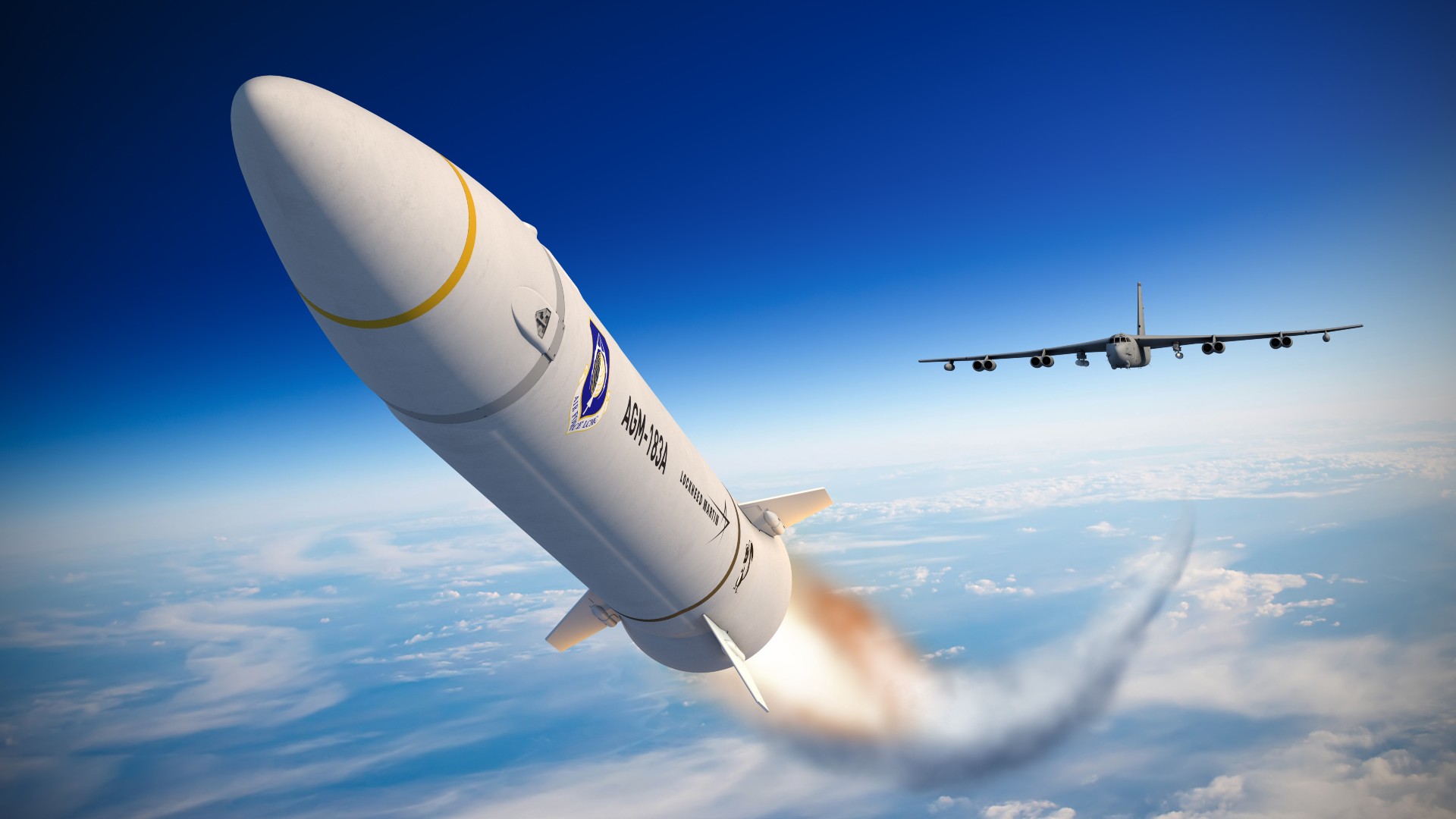
The AGM-183A is a boost-glide weapon. A rocket pushes it up. Then a glider separates and flies at hypersonic speed. No engine. Just speed and gravity.
Read Also: Military Combat Training Techniques
Key specs from official sources:
| Spec | Value |
|---|---|
| Length | 5.9 meters (19.3 feet) |
| Diameter | 0.66 meters (2.1 feet) |
| Launch weight | Over 2,000 kg (4,400+ lbs) |
| Range | 900+ km (550+ miles) |
| Warhead weight | 20-50 kg (classified) |
| Max speed | Mach 20 (reported) |
The AGM-183 ARRW speed is the headline. Mach 20. That is 15,000 miles per hour. New York to London in 12 minutes.
But speed is not everything. The real trick is how it flies.
The glider stays in the upper atmosphere. It does not go to space like a ballistic missile. It does not fly low like a cruise missile. It skips along the edge of space. Hard to track. Harder to intercept.
The AGM 183 ARRW warhead weight is small. Only 20-50 kg. That is tiny for a missile this size. But the kinetic energy at Mach 20 does the damage. You do not need a big boom when you hit at 15,000 mph.
The ARRW Rollercoaster: Canceled. Then Not Canceled
Here is the timeline no one talks about.
2021: First flight test fails. The missile never leaves the jet.
2022: Finally a successful test. Everyone celebrates.
2023: Air Force says they are canceling ARRW. Moving money to HACM instead. A different hypersonic weapon.
2024: More tests. Mixed results.
2025: Program quietly comes back to life.
2026: Air Force requests $296 million for ARRW "Increment 2".
Why the reversal?
Because they need something that works now. HACM is taking too long. China already has hypersonic weapons operational. Russia used theirs in combat.
The Air Force did not want to admit they made a mistake. But the budget request says everything.
As of May 2026, the ARRW program is fully revived. Three successful flight tests in a row . A new anti-ship variant is in development. The U.S. Air Force hypersonic missile program is back.
What Is ARRW Increment 2? The Ship-Killer Version
This is the big news.
The original ARRW only hits static targets. Buildings. Air defense sites. Command centers. Fixed things.
Increment 2 adds two new features:
1. Terminal seeker
A sensor in the nose. The glider can see the target. Track it. Adjust course.
2. Data link
The missile talks to satellites or other aircraft mid-flight. They can send updated targeting info.
Together, these turn ARRW into an anti-ship missile.
The budget documents explicitly mention "terminal seeker and data link capability." The request is under the Pacific Deterrence Initiative section.
That means China.
Imagine a B-52 launching a Mach 20 missile at a Chinese carrier group. The missile flies for 10 minutes. The carrier moves 5 miles in that time. Does not matter. The seeker finds it. The data link updates it.
You Must Also Like: Face of Defense: Army Instructor Combines Passions as an Elite Mountaineer
That is the capability the Air Force wants.
Russian media already calls it a "Chinese ship killer".
AGM-183A Hypersonic Missile: The Technical Problems Nobody Mentions
Let me be honest. This missile has issues.
Problem 1: The warhead is tiny
50 kg max. For comparison, a Tomahawk carries 450 kg. ARRW needs a direct hit. A near miss does nothing.
Problem 2: The seeker problem
Hypersonic flight creates a plasma sheath around the missile. Radio signals cannot get through. Building a seeker that works at Mach 20 is incredibly hard.
Problem 3: Heat
The nose cone reaches thousands of degrees. Normal electronics melt. Everything needs special materials.
Problem 4: Cost
Each missile costs around 15−20million.Compareto15−20million.Compareto2 million for a Tomahawk. You cannot spam these things.
The Air Force knows these problems. That is why they canceled the program in 2023. But the strategic need is bigger than the technical problems.
How to Defeat Hypersonic Missiles: The Defense Side
Now let me answer the real question.
How to defeat hypersonic missiles?
The short answer: It is really hard. But not impossible.
Here is what is in development right now.
Glide Phase Interceptor (GPI)
Northrop Grumman is building this. The idea is simple. Hit a hypersonic missile while it is gliding. Not at launch. Not at descent. During the middle part of flight.
The GPI is a hit-to-kill interceptor. No explosive warhead. It just collides with the target.
Northrop says their design is "purpose-built" for hypersonic threats. Not a copy of old systems.
Three stages:
-
Stage 1 and 2: Boost to intercept speed
-
Stage 2 coast: Glide to optimal position
-
Stage 3 kill vehicle: Terminal homing and impact
The Missile Defense Agency is funding this. Japan is also partnering. First operational systems expected in the early 2030s.
India's AD-AH and AD-AM
India is also building hypersonic defenses. Their DRDO is developing two interceptors:
AD-AH: Targets hypersonic glide vehicles
AD-AM: Targets hypersonic cruise missiles
Speeds required: Intercepting a Mach 5 target means your interceptor needs Mach 10+.
India expects flight tests after 2030.
The Real Problem: Detection
Even if you have an interceptor, you need to see the target first.
Hypersonic missiles fly at 150,000+ feet. That is high. But they are also small. And they maneuver.
Current missile defense radars are designed for ballistic missiles. Those fly in a predictable arc. Hypersonic missiles do not.
The fix is space-based sensors. The Hypersonic and Ballistic Tracking Space Sensor (HBTSS) is the answer. Satellites in low Earth orbit. They track hypersonic threats from above.
That system is still being deployed.
Pros and Cons of ARRW (Honest Assessment)
Based on everything I have read, here is my take.
Pros
1. Speed kills reaction time
A target has 10-15 minutes from launch to impact. That is not enough time to evacuate or hide.
2. Bypasses current air defenses
No existing system can reliably intercept a Mach 20 glider.
3. Anti-ship capability changes naval warfare
Carriers are sitting ducks against this thing.
4. Three successful tests in a row
The design is finally mature.
Cons
1. Tiny warhead
Direct hit required. No room for error.
2. Extremely expensive
$15-20 million per missile. You cannot buy hundreds.
3. Limited inventory
Classified numbers, but likely under 100 missiles initially.
4. Only works from bombers
B-52 and B-1 only. Fighters cannot carry it yet.
5. No operational record
Still in testing. Not combat-proven.
Who Is This Missile For? (And Who Is It Not For)
Let me be direct.
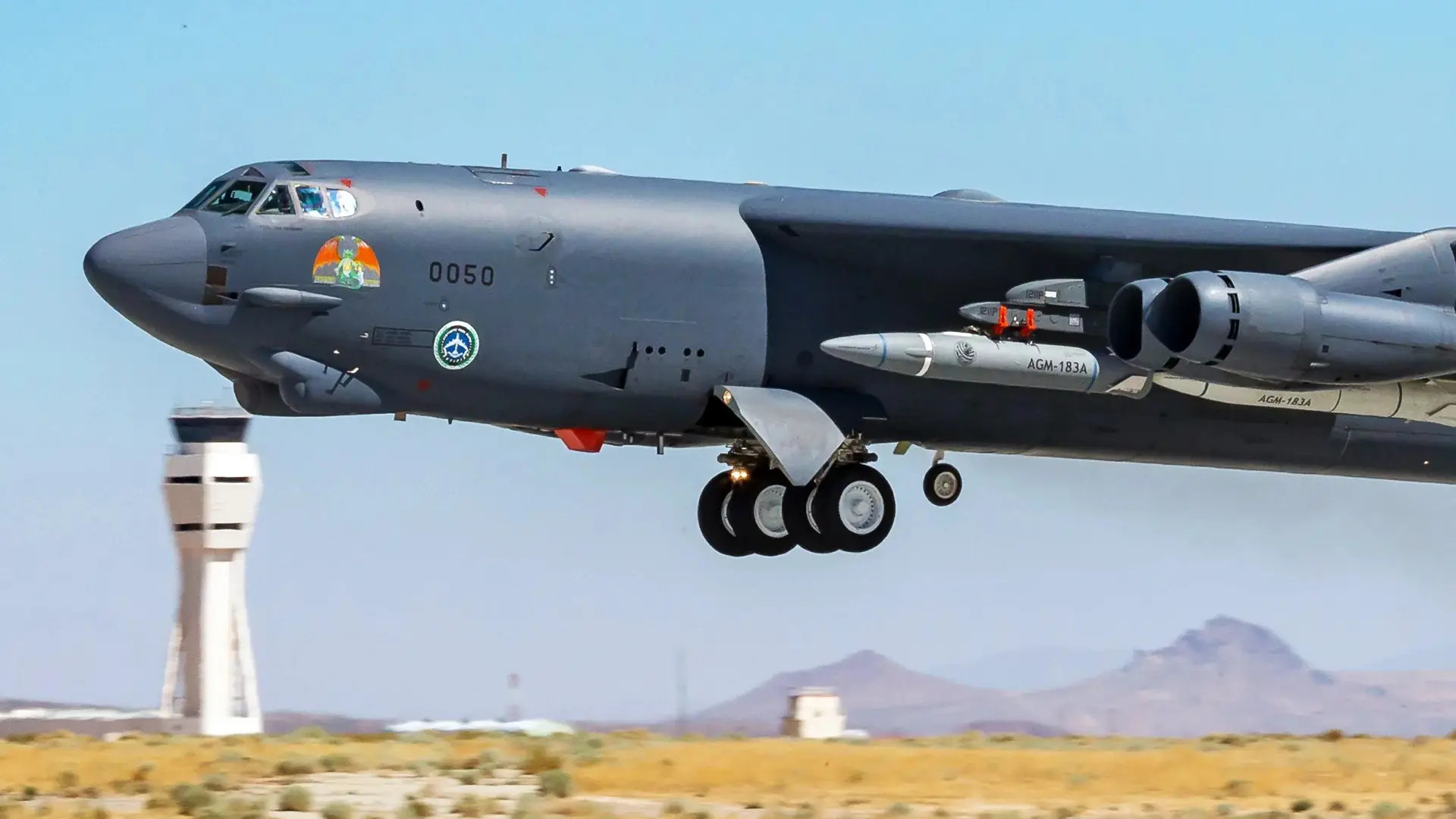
ARRW is for the U.S. Air Force first. B-52 and B-1 crews will get them. Their mission: Kill high-value fixed targets and enemy ships in a Pacific conflict.
ARRW is for the Pacific theater specifically. The budget request is under the Pacific Deterrence Initiative. China is the target.
ARRW is NOT for every pilot. Only bomber crews. Not F-35s. Not F-15EX. Not yet.
ARRW is NOT a battlefield weapon. It is for strategic targets. Air defense sites. Command centers. Aircraft carriers. Not troop concentrations.
ARRW is NOT cheap. If you are looking for a cost-effective weapon, look elsewhere. This is a silver bullet. Not a workhorse.
What This Means for Hypersonic Missile Defense?
Here is my honest observation.
The U.S. is racing to field hypersonic weapons. But they are also racing to build defenses. The same country is doing both.
Why?
Because China already has hypersonic weapons. The DF-17 entered service in 2020. Russia has the Avangard and Kinzhal.
The U.S. is behind. ARRW is their catch-up program.
For Hypersonic Missile Defense, the arrival of ARRW changes the equation. Defenders now have to plan for:
-
Mach 20 terminal speed
-
Glide trajectories (not ballistic arcs)
-
Anti-ship seekers (moving targets)
-
Limited launch warning
The GPI program is the answer. But it will not be ready until 2030 at the earliest.
Between now and then, there is a gap. A gap where hypersonic weapons can penetrate current defenses.
That is the scary part.
The Final Thoughts
I have followed this program for years. I have seen the failures. I have seen the cancellations. But the 2026 budget request tells me something changed. Three successful tests in a row.
A new anti-ship variant funded. $296 million requested for Increment 2. The Air Force would not spend that money if the program was dying. My prediction: ARRW will reach operational status by 2028. The anti-ship variant by 2030.
Will it work perfectly? No. Hypersonic weapons are hard. There will be failures. But the strategic need is too great to walk away. China is not waiting. The Air Force cannot afford to fall further behind.
So yes. ARRW is coming.
And Hypersonic Missile Defense just got a lot more urgent.