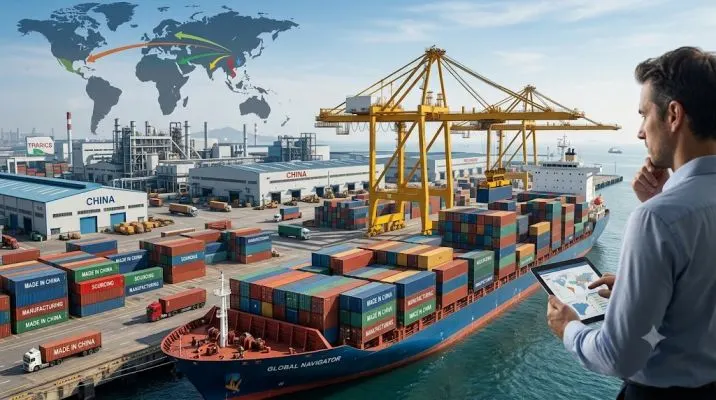
I have watched companies try to leave China for five years. Some succeeded. Many came back. The manufacturing shifts impact sourcing in ways that are not obvious until you actually try to move production.
Tariffs look simple on a spreadsheet. Reality is messier. A factory in Vietnam cannot always match what a supplier in Shenzhen delivers. This guide breaks down what is actually happening in 2026, based on real company experiences and current trade data.
The "China Plus One" Promise and Its Limits
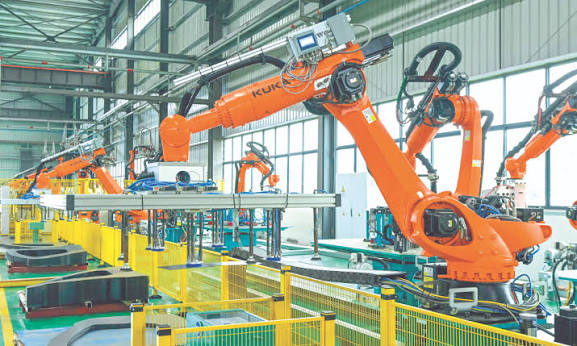
The idea sounded smart. Keep some production in China. Add a backup in Vietnam, India, or Mexico. Reduce tariff exposure. Hedge geopolitical risk.
Read Also: China Custom Clearance Documents Checklist for Importers
Companies rushed to do this in 2024 and 2025. Vietnam saw exports to the US nearly double from $102 billion in 2021 to $201 billion in 2025. Mexico hit record export levels to America. The numbers looked like a successful shift.
But the shift had a hidden cost. Moving final assembly is easy. Replicating the entire supply chain is not.
What Happens When You Actually Leave?
Heather Kuang runs a metal casting company in Dandong, China. A major US customer moved orders to India last year to avoid tariffs. The move failed. The customer came back with new orders.
Kuang explained why. "China's supply-chain advantage is still too great, and it is difficult to replicate domestic production elsewhere".
Target, the US retailer, moved some orders back to Chinese suppliers. The reason was supply chain disruptions and production constraints elsewhere.
Shein scaled back operations in Vietnam. A Hangzhou furniture exporter shut his Vietnam workshop and returned production to China because he could not source basic items like screws and molds locally.
These are not isolated stories. They point to a pattern.
The Three Things Overseas Factories Cannot Match
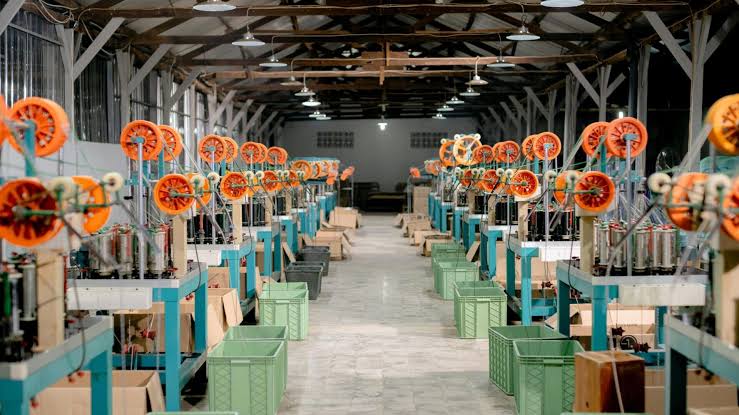
Companies returning to China cite the same problems again and again.
Skilled labor. Finding workers who can operate precision equipment is hard in emerging manufacturing hubs. Training takes time. Turnover is high.
You Must Also Like: Future of China Technology in Electric Vehicles
Supplier networks. China has spent thirty years building an industrial ecosystem. You can find any component within a day's drive. In Vietnam or India, you often import basic parts from China anyway.
Reliable power. Guan Baokui, a Qingdao lawyer advising manufacturers, said Vietnam and Indonesia suffer from "unstable and not continuous" electricity supply. When oil prices surged in April 2026, those grids struggled. Chinese factories kept running.
Stanislaw Krykun, CEO of a Polish packaging firm, put it bluntly. "In case of any crisis, the Chinese production plants will be the most stable plants you can use".
The Tariff Math Changed
Moving production made sense when the tariff gap was huge. China faced about 20% effective US tariffs. Vietnam faced 6.1%. Indonesia 13.4%. Thailand 4.5%.
That gap has narrowed. The US extended tariffs to more countries. New forced-labor duties added 12.5% on Vietnam and other economies in July 2026. The China-only Section 301 tariff still creates a 25-point gap, but the absolute advantage of moving is smaller.
One exporter said the math no longer works. "Once I factored everything in, the overall cost was not much different, so there was no point".
Where the Shift Is Still Real?
This is not a story about China winning everything. The diversification wave continues.
Vietnam attracted $15.2 billion in foreign direct investment in the first seven months of 2026, up 11.8% year on year. Indonesia and India still draw manufacturers in electronics, automotive, and other sectors.
Southeast Asia's manufacturing PMI stayed in expansion territory through mid-2026. Vietnam's PMI hit 53.3 in August. Thailand hit 53.8. The Philippines surged to 54.9.
The World Economic Forum reported that global supply chains have entered "an era of structural volatility". Three in four business leaders now prioritize resilience over pure cost efficiency.
What This Means for Your Sourcing Strategy?
If you are deciding where to source or produce, here is what the current data suggests.
Do not assume moving is easy. The companies that failed did not plan for the hidden costs. Skilled labor, supplier depth, and power reliability matter more than tariff rates.
Calculate total landed cost, not just tariff savings. Include the cost of importing components from China, training workers, managing quality issues, and dealing with delays.
Keep China in the mix. Even companies that added capacity elsewhere kept Chinese suppliers. Krykun's firm sources 80% from Shenzhen and keeps US and European backups that cost two to three times more.
Watch the 25-point gap. The Section 301 tariff on China still creates a real incentive to have a non-China option. But verify that your non-China origin reflects substantial transformation. If you just assemble Chinese parts in Vietnam, customs may still treat it as Chinese origin.
Plan for volatility, not stability. The WEF report found that 2025 alone saw over 3,000 new trade and industrial policy measures globally, three times the level a decade ago . Build flexibility into your contracts.
The Final Thoughts
The manufacturing shift is not a clean story of leaving China. It is a messy reconfiguration. Some companies found greener pastures. Others found that the grass was imported from China anyway.
China's industrial ecosystem took decades to build. It will take decades to replicate elsewhere. That does not mean companies should not diversify. It means they should do it with clear eyes about what they are actually giving up.
The manufacturing shifts impact sourcing decisions in ways that reward patience and punish assumptions. Talk to companies that have actually made the move. Visit the factories. Run the numbers twice. The tariff table tells you one story. The factory floor tells you another.