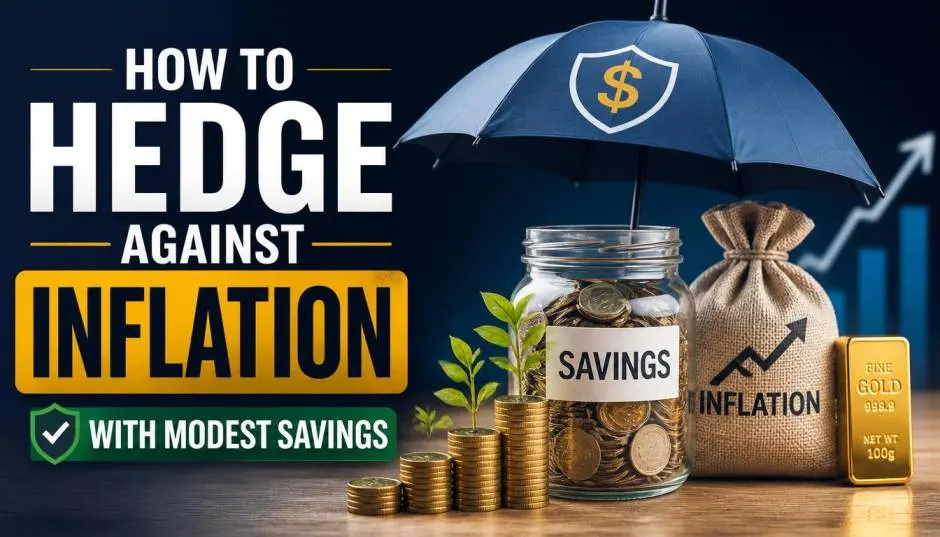
Most people think inflation is a problem for the rich. It hits modest savers harder. India's retail inflation hit 5.54% in September 2026, the highest in two years . Your savings account pays around 3%.
That gap means your money quietly loses value every year. You don't need a big corpus to fight back. Here's what actually works when you're starting small.
How to Hedge Against Inflation With Modest Savings?
A chartered accountant named Abhishek Walia explained this well. He said most Indians lose money even when they think they're saving.
Read Also: How to Protect Savings From High Inflation and Low Growth?
Savings accounts offer 2.5% to 3.5% interest. Inflation runs at 5% to 6%. The difference is your real return. It's negative.
Put ₹10,000 in a savings account for a year. You earn about ₹300. Prices rise by ₹550. You're worse off by ₹250. That's before tax.
The fix isn't complicated. You just need to own things that rise in price when inflation rises.
Why Real Estate Is the Classic Answer (And Its Catch)?
Hedge against inflation real estate is the phrase everyone searches. There's good reason.
Rents typically climb with inflation. Property values tend to follow . J.P. Morgan data shows direct real estate offers steady income that can keep pace with rising costs. Commercial leases in India often include 12-15% rent escalation clauses every three years.
That's the theory. Here's the reality for modest savers.
Buying a flat needs a down payment. That's usually ₹5-10 lakh minimum in most cities. Most people with modest savings can't do that alone. The transaction costs eat 6-8% of your money upfront.
Maintenance, property tax, and vacancy periods also drag returns.
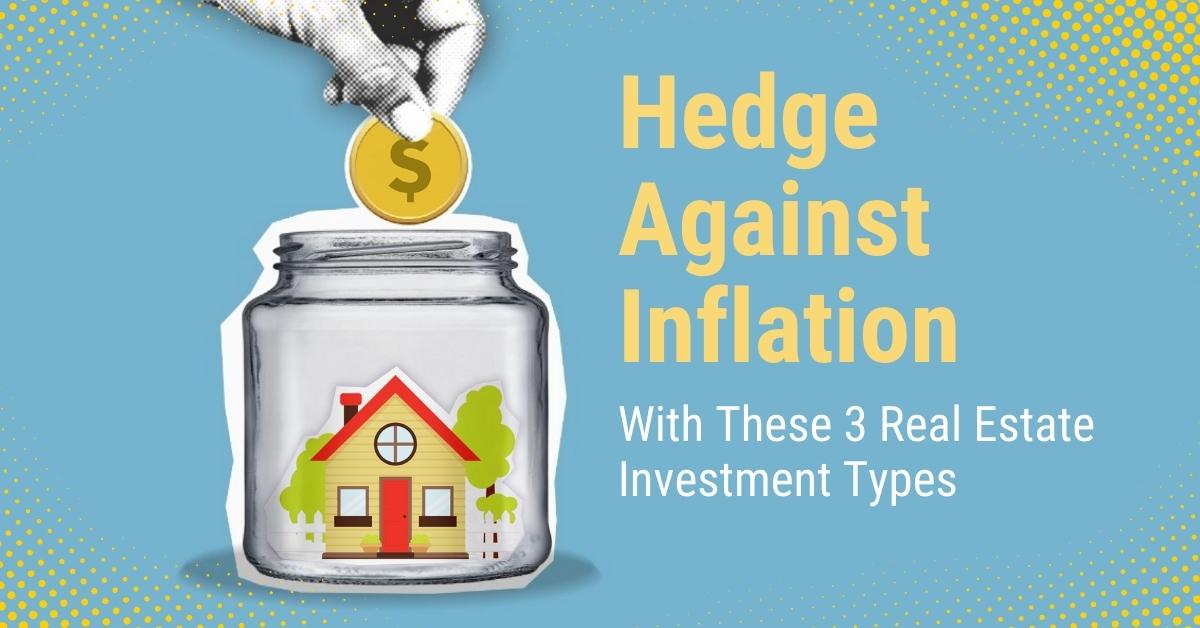
But there's a workaround. Real Estate Investment Trusts, or REITs, let you own a slice of commercial property for as little as ₹300-400 per unit.
You get rental income distributions. You get exposure to property price changes. You don't need a down payment or a loan.
The catch: REITs trade like stocks. Prices move up and down daily. They're not the same as owning physical property. And recent research on emerging markets shows inflation-hedging results vary widely.
The Instrument Nobody Talks About Enough
Inflation-linked bonds are designed for this exact problem.
The Spanish central bank analyzed asset returns during eight high-inflation periods in the US. Inflation-linked bonds delivered positive real returns with a 60% success rate. During the 1970s oil crisis, real returns hit 13%.
You Must Also Like: Geopolitical Risks in the World Economy and Their Global Impact
In India, these are called Inflation Indexed Bonds or IIBs. The government issues them occasionally. The problem? They're not always available. And liquidity is thin.
For modest savers: Check if your bank offers them when new tranches open. Don't expect to find them easily on demand.
Gold: The Emotional Hedge That Sometimes Works
Indians love gold. But does it actually beat inflation?
The Spanish study found gold alone isn't a great inflation hedge for typical investment horizons. It works better over very long periods.
Sovereign Gold Bonds were the smart way to hold gold. You got 2.5% annual interest plus gold price gains. The tax-free maturity was the cherry on top.
Big change in 2026: Budget 2026 removed the tax-free maturity benefit for secondary market buyers. Only primary issue investors holding till maturity get the exemption . And no fresh SGB tranches have launched since 2024.
You can still buy SGBs on the exchange. But the tax advantage is gone for new buyers. Gold ETFs are simpler now.
The practical takeaway: Hold some gold. Don't make it your main inflation strategy.
The Simplest Start: Small Savings That Beat Your Bank
The government runs small savings schemes with better rates than your bank account. The October-December 2026 quarter rates are out. A 1-year time deposit pays 6.9%. That beats inflation at 5.54%. Barely.
Public Provident Fund, National Savings Certificate, and Senior Citizens Savings Scheme offer similar or better rates. They're safe. They're government-backed. They're easy to open.
But here's the honest truth: A 6.9% return against 5.54% inflation gives you 1.36% real return. That's thin. It protects your money. It doesn't grow it meaningfully.
These instruments work for your emergency fund and short-term goals. They won't build wealth.
Where Modest Savers Can Actually Win?
Equity mutual funds through SIPs are the answer most financial experts give. Walia recommends them directly. The logic is simple. Companies raise prices when costs rise. Their revenues grow. Stock prices follow over long periods.
The New York Fed research confirms this. Stocks hedge inflation poorly in the short term but offer protection over long horizons.
For modest savings: Start with ₹500 or ₹1,000 per month in an index fund. Automate it. Don't stop when markets fall. That's the whole game.
The catch: Equity is volatile. You'll see red days. You'll want to sell. If you can't stomach 30% drops without panic, keep your equity allocation small.
A Realistic Portfolio for ₹5,000 Monthly Savings
Here's how I'd split it if I were starting with a modest amount.
₹1,500 to PPF or a 1-year deposit. This is your stability bucket. It beats inflation slightly. It's safe.
₹2,000 to an equity index fund SIP. This is your growth engine. Expect bumps. Stay invested for 10+ years.
₹1,000 to a REIT or gold ETF. Pick one based on what you understand. REITs give income. Gold gives a safety net.
₹500 to a liquid fund. This is your emergency buffer beyond your savings account.
That's it. No complex products. No insurance-investment combos. No tips from WhatsApp groups.
What to Avoid?
Don't buy physical gold jewelry as an investment. Making charges eat 15-25% of your money instantly.
Don't lock everything in 5-year FDs at 6.9%. Inflation might rise further. You'll be stuck.
Don't trust anyone promising 15% guaranteed returns. That doesn't exist with safety.
Don't ignore your emergency fund. Six months of expenses in a liquid fund or sweep-in FD. That comes before any inflation-hedging moves.
The Final Thoughts
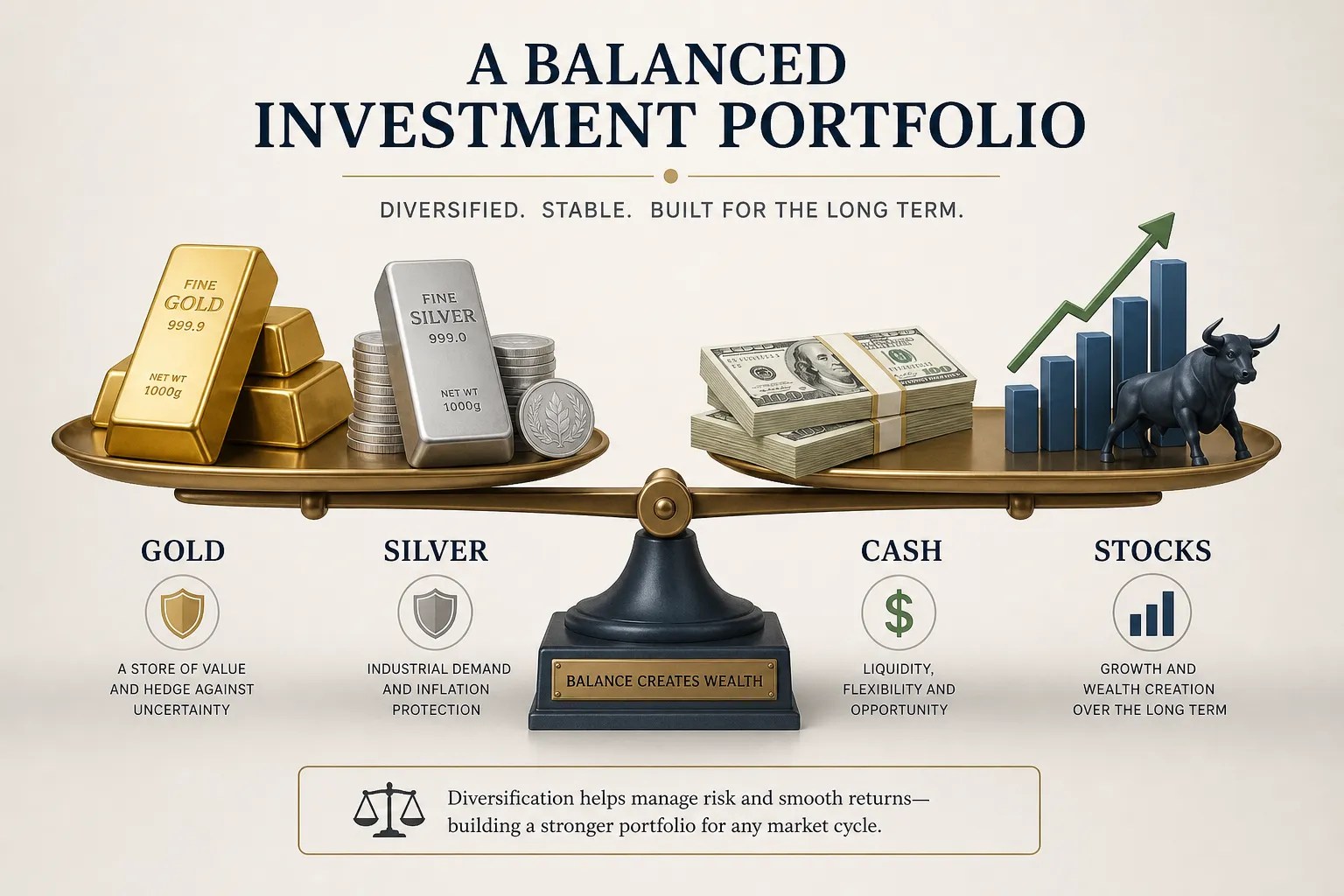
You don't need crores to hedge against inflation. You need a simple mix: some safe instruments that barely beat inflation, some equity for long-term growth, and a small allocation to real assets like REITs or gold.
India's inflation at 5.54% is above the RBI's 4% target. It's been rising for 11 straight months. The RBI's repo rate sits at 5.25% . The central bank isn't panicking yet.
That means inflation might stay sticky. Your savings account won't save you. Small, consistent, diversified moves will.
Start with what you have. ₹5,000 monthly is enough to build a real hedge. The amount matters less than the habit.